
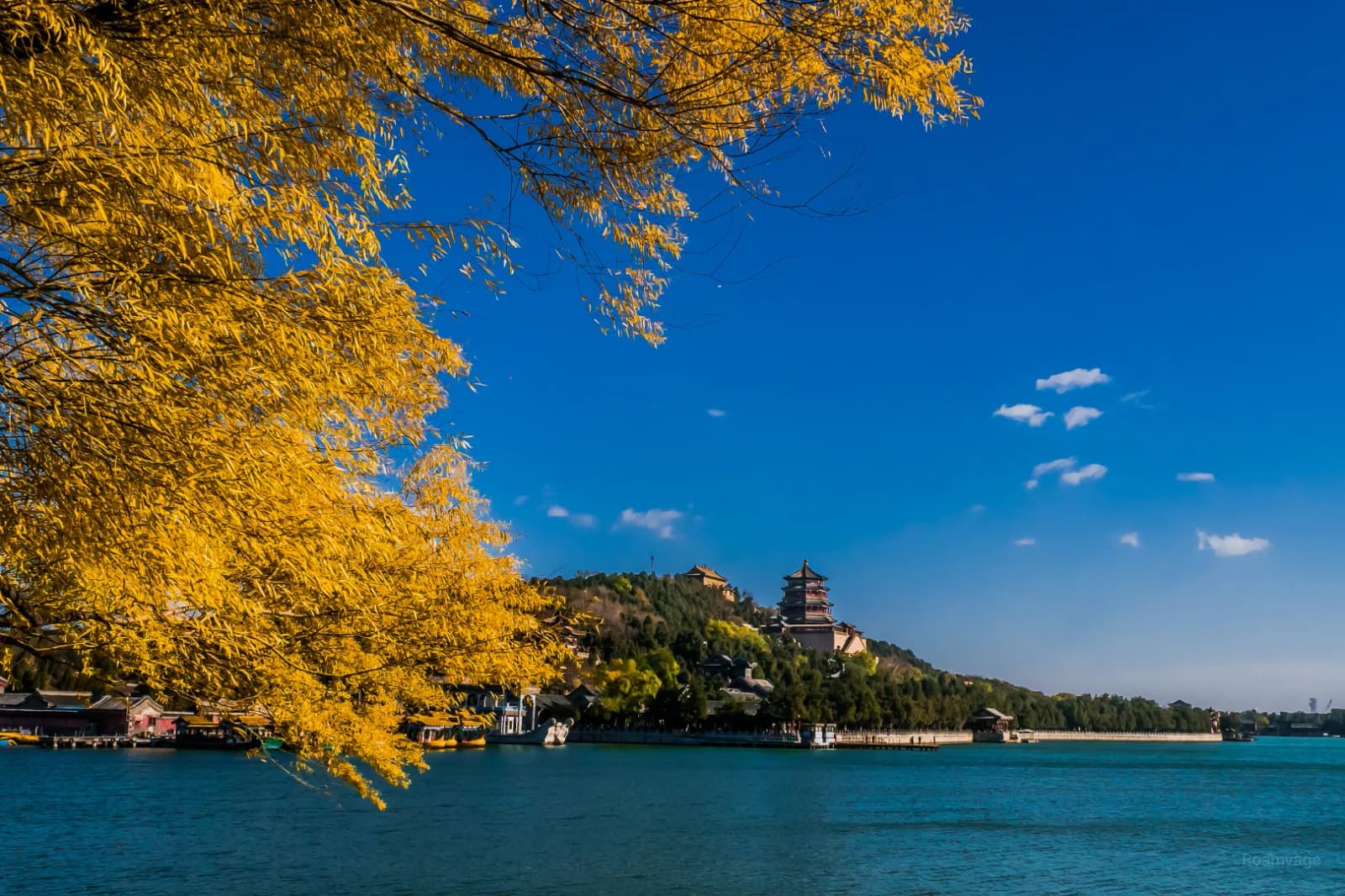
Beijing is a city that demands more than a guidebook. It is vast, layered, and operates on rhythms that take years to learn. A private day tour cuts through the noise: you get a driver who knows which lanes bypass the traffic, a guide who can read the room and adjust the pace, and—most importantly—the freedom to experience the city on your own terms.
This guide covers everything you need to plan a private day tour in Beijing: which attractions to prioritize, how to structure a single day, what each season brings, and what separates an average tour from an exceptional one.
| Best time to visit | April–May and September–October (mild weather, clear skies) |
| Minimum recommended stay | 2–3 days; a private day tour covers the highlights if you only have one |
| Top 3 attractions | Mutianyu Great Wall, Forbidden City, Temple of Heaven |
| Private tour price range | $150–$350 USD per group (includes guide, driver, and vehicle) |
| Pickup area | Most tours include hotel pickup within Beijing's 5th Ring Road |
| Booking window | 48 hours in advance; 1 week recommended during Golden Weeks |
Tip: Book morning departures (7:00–7:30 AM). The extra hour of sleep you sacrifice buys you 2–3 hours of crowd-free sightseeing at the Great Wall and Forbidden City.
Beijing is not a city where you wing it. Public signage is bilingual but inconsistent. Subway stations are clean and efficient, but they do not get you to the Great Wall. Ride-hailing apps work until they do not—and when they do not, you are standing on a curb with no backup plan.
A private tour solves three specific problems:
Time efficiency. Beijing's top attractions are spread across 60+ km. The Great Wall alone is 70 km from the city center. With a private driver, you move door-to-door without waiting for buses, deciphering taxi stands, or getting dropped at the wrong Mutianyu entrance (it happens).
Cultural depth. The Forbidden City has 980 buildings. Without context, it is a sea of yellow-glazed roofs. A good guide turns it into a story about power, ritual, and the emperor who had 70,000 eunuchs but could not leave the palace unescorted. That is the difference between seeing and understanding.
Flexibility. Group tours run on fixed schedules. If you want an extra 30 minutes at the Wall because the light is perfect, you take it. If hutong shopping is not your thing, you skip it. The day bends around you, not the other way around.
Info: Private tours in Beijing typically include a licensed English-speaking guide, a private vehicle with air conditioning, hotel pickup/drop-off, and all tolls and parking fees. Entrance tickets and meals are usually separate so you control your own budget.
The Great Wall is non-negotiable for a first-time Beijing visit. The question is which section. Mutianyu is the answer for most travelers: fully restored and genuinely impressive, but with a fraction of Badaling's crowds. The watchtowers here are denser—23 towers across 2.2 km—and the surrounding forest makes it spectacular in autumn.
Take the chairlift up, walk the wall at your own pace, then ride the toboggan down. It is a 1,580-meter metal slide that winds through the trees. Families love it. So do adults who pretend they are above it and then ask to go again.
Tip: Arrive before 8:30 AM. By 10:00 AM the tour buses from downtown Beijing arrive en masse. Those first 90 minutes of near-empty wall are worth the early alarm.
The world's largest palace complex. 980 buildings, 8,700 rooms, and a 500-year run as the seat of imperial power. You enter through the Meridian Gate and walk the central axis: Gate of Supreme Harmony, Hall of Preserving Harmony, Inner Golden Water Bridges. A private guide will point out the details you would otherwise miss: the number of roof figurines that reveals a building's rank, the ramp carved from a single 200-ton stone, the throne room where no woman except the Empress Dowager was ever permitted.
Book tickets 7 days in advance. The Forbidden City caps daily visitors at 80,000 and sells out regularly. Your guide can handle this, but tell them early.
Tiananmen Square sits directly south of the Forbidden City. It is the largest public square in the world—440,000 square meters, big enough to hold 600,000 people. The Monument to the People's Heroes, Chairman Mao Memorial Hall, and the National Museum of China frame the square. Most private tours combine Tiananmen Square with the Forbidden City since they share the same entrance axis. A 15-minute walk across the square with your guide is enough; the real value is the historical and political context they provide.
The Temple of Heaven is where Ming and Qing emperors prayed for good harvests. The Hall of Prayer for Good Harvests—a circular wooden structure built without a single nail—is the icon. But the real experience is the surrounding park, especially in the morning. Locals practice tai chi, play traditional instruments, sing Beijing opera, and write calligraphy on the pavement with giant water brushes. A private guide can translate the lyrics, explain the calligraphy strokes, and introduce you to the retirees who have been coming here every morning for 30 years.
Beijing's hutong neighborhoods are the city's DNA—narrow alleyways lined with courtyard homes that date back to the Yuan Dynasty. The Nanluoguxiang area is the most famous, but it is also the most commercialized. Ask your guide to take you to the hutongs near Houhai or the less-visited alleys east of the Drum Tower. A rickshaw ride through the hutongs is a classic add-on, but walking with a guide who can explain the architecture—doorway styles that reveal a family's historical rank, stone lion carvings, screen walls that block evil spirits—is far more rewarding.
This is the itinerary we recommend for first-time visitors who want to hit the essential sights without feeling rushed. It is based on our bestselling Beijing private tour.
Your guide and driver meet you at your hotel lobby. Quick briefing on the day's plan, weather check, and any last-minute adjustments.
Walk across the square while it is still quiet. Your guide explains the historical context of the surrounding monuments. Morning flag-raising ceremony if you are early enough.
Enter through the Meridian Gate as the gates open. Walk the central axis and explore the main halls before the crowds build. Your guide handles tickets and navigates the optimal route through the complex.
Relax in your private vehicle while your driver takes the expressway north. The drive is about 90 minutes. Your guide shares stories about the Wall's construction and the Ming dynasty defense system.
Your guide recommends a local restaurant near Mutianyu (not the tourist-bus canteens). Try the trout farm restaurants in the valley—fresh fish, mountain vegetables, and handmade noodles.
Take the chairlift up. Spend 2–2.5 hours walking the wall. Your guide points out the watchtower features, defensive design details, and the best photo spots. If you want to hike further, they will wait. Toboggan down when you are ready.
Drive back to the city. Most guests nap, edit photos, or ask their guide all the questions they have been saving about life in modern Beijing.
If you still have energy, a short walk through the hutongs near Houhai or the Drum Tower. Your guide recommends a dinner spot—Peking duck, Sichuan hot pot, or a family-run dumpling house depending on your preference.
Back at your hotel. Your guide can help arrange the next day if you are staying longer.
Tip: If you would rather do the Great Wall first and the Forbidden City in the afternoon, that works too. Just tell your guide at pickup. Private tours adapt to your preference.
The ideal season. Temperatures sit between 10–25°C (50–77°F). Cherry blossoms bloom in April. The air is relatively clear. Book at least one week in advance—this is peak season for private tours.
Hot and humid—30–35°C (86–95°F) with occasional thunderstorms. The upside: longer daylight hours and fewer international tourists. Start early (7:00 AM) to beat the heat. Your vehicle has AC, and your guide will adjust the pace. July and August are Chinese school holidays, so domestic tourism spikes at the Great Wall.
The best weather of the year. Crisp mornings, clear blue skies, and temperatures in the 15–25°C (59–77°F) range. The mountains around Mutianyu turn red and gold. This is Beijing at its most photogenic—and its busiest. Book 2–3 weeks ahead, especially around the October National Day holiday.
Cold—temperatures drop to -10–5°C (14–41°F). But the skies are the clearest of the year, and tourist sites are nearly empty. If you can handle the cold, a winter private tour offers a rare experience: the Great Wall dusted with snow and the Forbidden City without crowds. Your vehicle is heated, and the guide keeps outdoor segments reasonable. Chinese New Year (late January/February) brings its own magic but also site closures—plan carefully.
These are our two bestselling Beijing day tours—designed and operated by our team, not resold from a third party:
Both tours include hotel pickup, a licensed English-speaking guide, private air-conditioned vehicle, and all tolls and parking. Browse all Beijing tours or request a custom itinerary.
Three to four days is ideal for a first visit. That gives you one day for the Great Wall, one day for the Forbidden City and central sights, and one day for the Summer Palace, hutongs, and markets. If you only have one day, a private tour that combines the Great Wall and Forbidden City is the most efficient way to see the essentials.
Yes, but it is a full day—typically 10–12 hours door to door. A private tour makes it feasible because your driver handles the 90-minute transfer between sites while you rest. Group tours on the same schedule waste an extra 60–90 minutes picking up other guests. This is the single best argument for a private tour over a group departure.
Expect $150–$350 USD total per group, depending on the itinerary, vehicle type, and season. This covers your guide, driver, vehicle, tolls, and parking for the full day. Entrance tickets ($10–$25 per person per site) and meals are typically separate. Compared to group tours at $40–$80 per person, the per-person cost for a family of four on a private tour is often similar—but the experience is incomparable.
Translation apps handle menus and basic directions. They do not explain why the Forbidden City's roofs are yellow, why certain hutongs survived the 1960s demolition campaigns while others did not, or which Great Wall section is best on a windy day. A guide also handles logistics—ticket queues, traffic reroutes, bathroom stops, and restaurant selection—that apps cannot. For a city as logistically demanding as Beijing, a guide is the difference between a smooth day and a series of small frustrations.
Beijing is statistically one of the safest capital cities in the world for solo travelers. Violent crime is rare. The main challenges are practical, not safety-related: language barriers, navigation, and the sheer scale of the city. A private tour solves all three. Solo travelers also benefit from a guide's company—it turns a solo day into a shared experience with someone who knows the city intimately.
Ready to experience Beijing with a private guide? Browse our Beijing tours or contact us for a custom itinerary built around your interests, pace, and schedule.
Leon
Professional China travel guides by Roamvage. We design and operate private tours across China.
Ready to Explore China?
Browse our tours or tell us your preferences — we'll create a custom itinerary just for you.
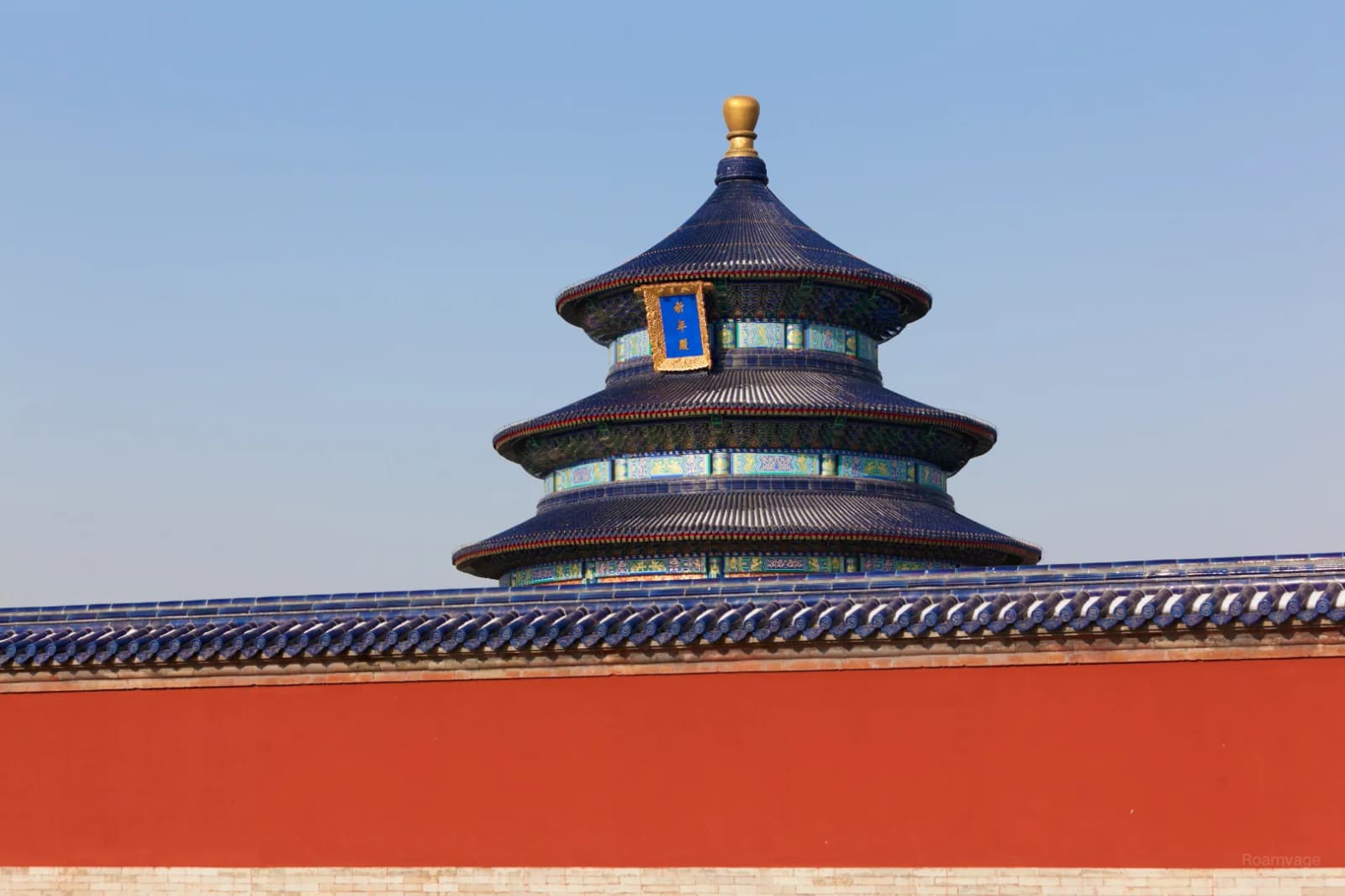
The hutongs are Beijing's soul—a labyrinth of narrow alleyways where life unfolds in courtyards, markets, and dumpling shops. Walk Nanluoguxiang and the quieter lanes nearby to find the Beijing that tourists miss.
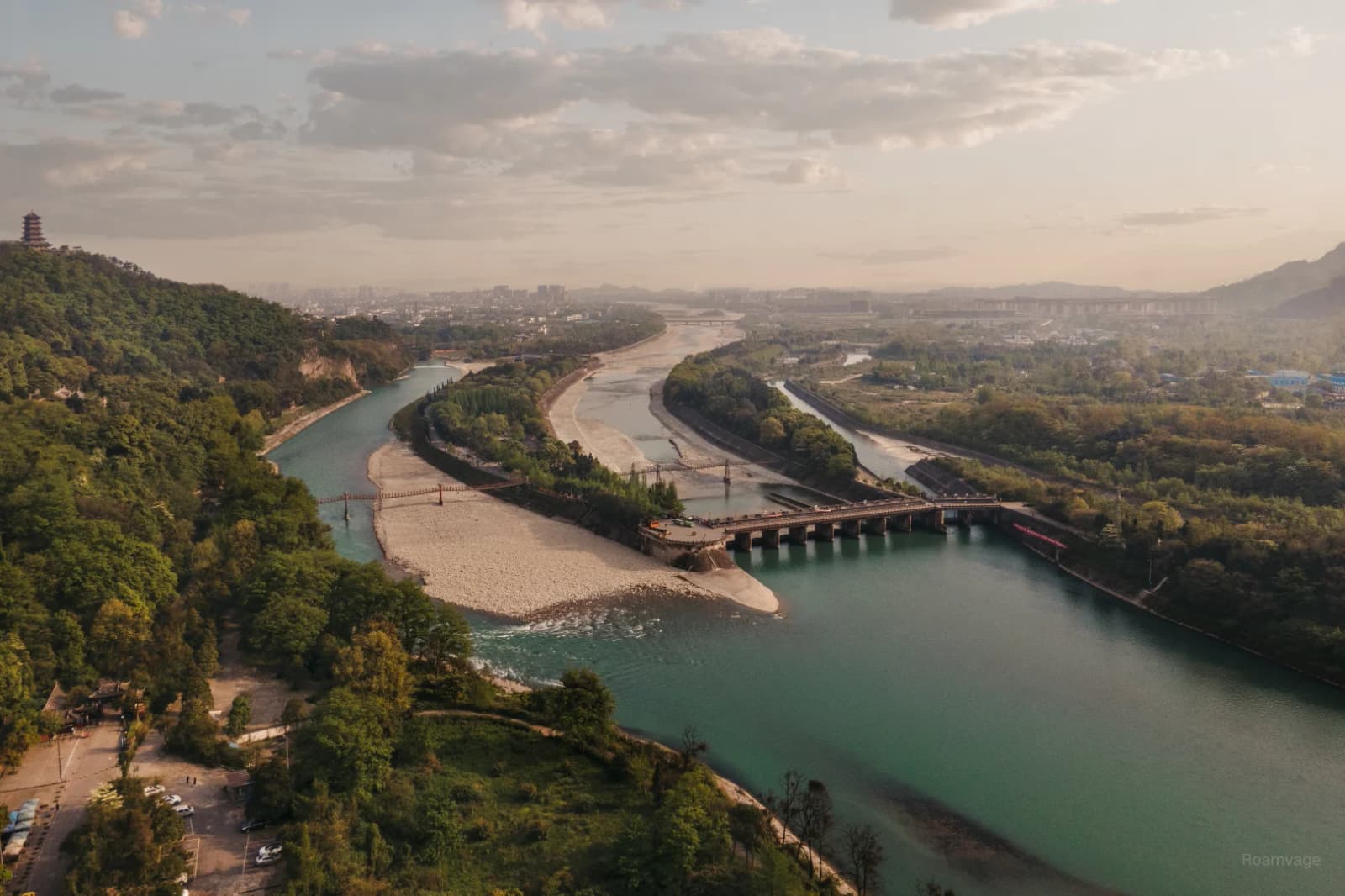
Chengdu is a UNESCO City of Gastronomy—and it earns the title at every meal. From fiery hot pot to delicate dan dan noodles, here is where and what to eat in Sichuan's culinary capital.
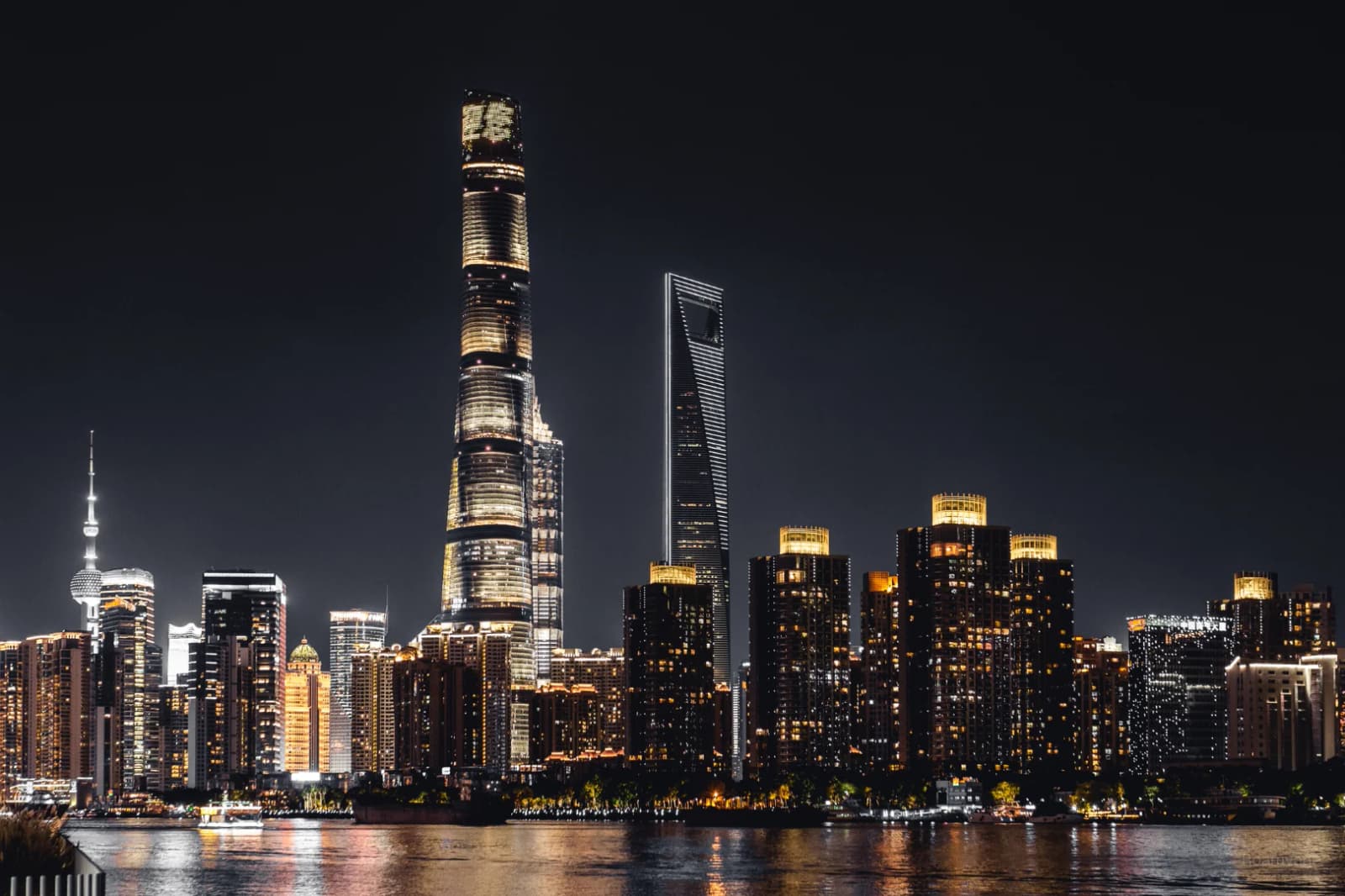
Shanghai is where old China meets tomorrow. From the Bund's colonial skyline to the futuristic towers of Pudong, our guide covers the essential experiences for first-time visitors to China's most dynamic city.